


SAN DIEGO STANDOUTS SERIES
Some leaders begin with capital, connections, and a carefully mapped career path. Aaron Zulu began with curiosity, persistence, and a conviction that Zambia’s natural heritage should create opportunity for local communities without being sacrificed in the process.
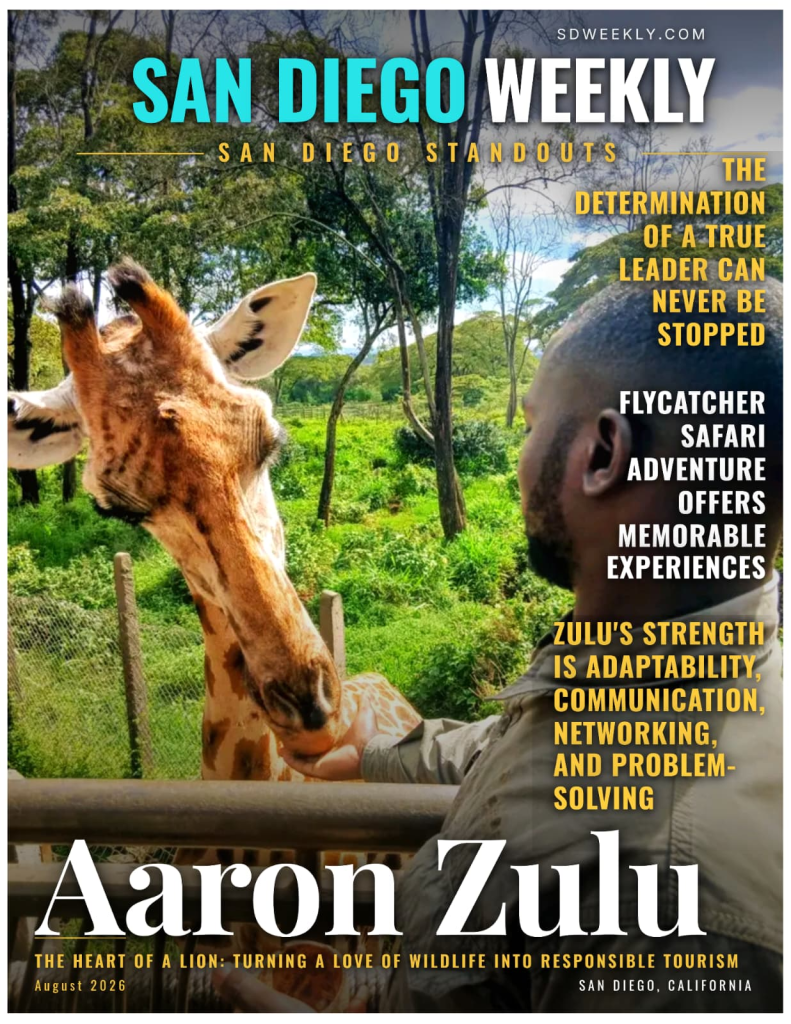
Raised near wildlife in Eastern Province, Zulu has transformed an early fascination with nature into a developing career that connects safari guiding, conservation education, cultural exchange, community service, and entrepreneurship. His path has not been easy, but each obstacle has strengthened his determination to build Flycatcher Safari Adventure into a company capable of creating employment while helping travelers understand why the places they visit must also be protected.
San Diego Weekly Standouts
A San Diego Weekly Standouts feature recognizing individuals whose leadership is shaping San Diego, California, the Cali-Baja region, and communities connected to the region around the world.
SAN DIEGO, Calif. — Aaron Zulu once walked approximately an hour and a half to attend a tourism conference he had not been selected to enter.
At the time, he was studying tourism management at the Zambia Institute for Tourism and Hospitality Studies. Students were generally not permitted to attend the conference unless they had received official selection, but Zulu was determined to learn from the people inside the room. He initially followed the program online. When his mobile data ran out on the second day, he left class and traveled on foot to the conference venue.
He arrived as the only student among the conference participants. When the program opened for questions and contributions, Zulu spoke about sustainable tourism and asked how aspiring entrepreneurs could grow companies within the industry. His initiative drew attention, and the experience led to an unexpected scholarship to pursue a Diploma in Tour Guiding and Administration at Kenya Utalii College in Nairobi, Kenya.
The moment captures the essence of Zulu’s story. He did not wait for ideal conditions, a formal invitation, or certainty about what might happen next. He simply recognized an opportunity to learn and found a way to reach it.
A Global Story With Regional Relevance
San Diego, California, and the Cali-Baja region are shaped by many of the same forces influencing Zulu’s work in Africa: tourism, environmental stewardship, entrepreneurship, cultural exchange, hospitality, and the responsibility to ensure that economic development benefits local communities.
Although Zulu’s work is rooted in Zambia and his current studies are taking place in Kenya, the principles guiding his journey cross geographic boundaries. His vision asks an increasingly important question: How can destinations welcome visitors, create jobs, and celebrate their natural and cultural assets without damaging the very resources that make those places meaningful?
That question carries relevance for tourism regions around the world, including San Diego and Baja California. Zulu’s emerging leadership demonstrates how responsible travel can become more than recreation. It can educate visitors, strengthen communities, encourage cultural understanding, and provide a practical reason to conserve landscapes and wildlife.
A Young Leader Building Across Tourism and Conservation
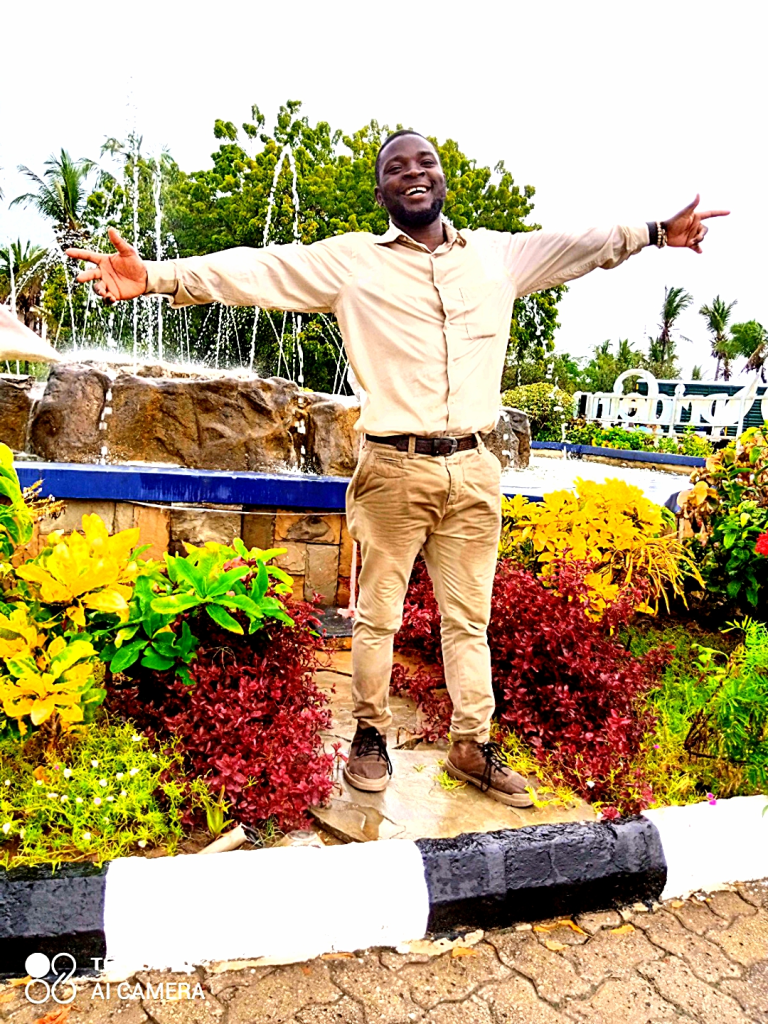
Aaron Zulu is a 25-year-old tourism student, aspiring safari guide, conservation educator, and founder of Flycatcher Safari Adventure. His leadership focus includes sustainable tourism, wildlife protection, tourism education, community support, cultural heritage, entrepreneurship, and future job creation.
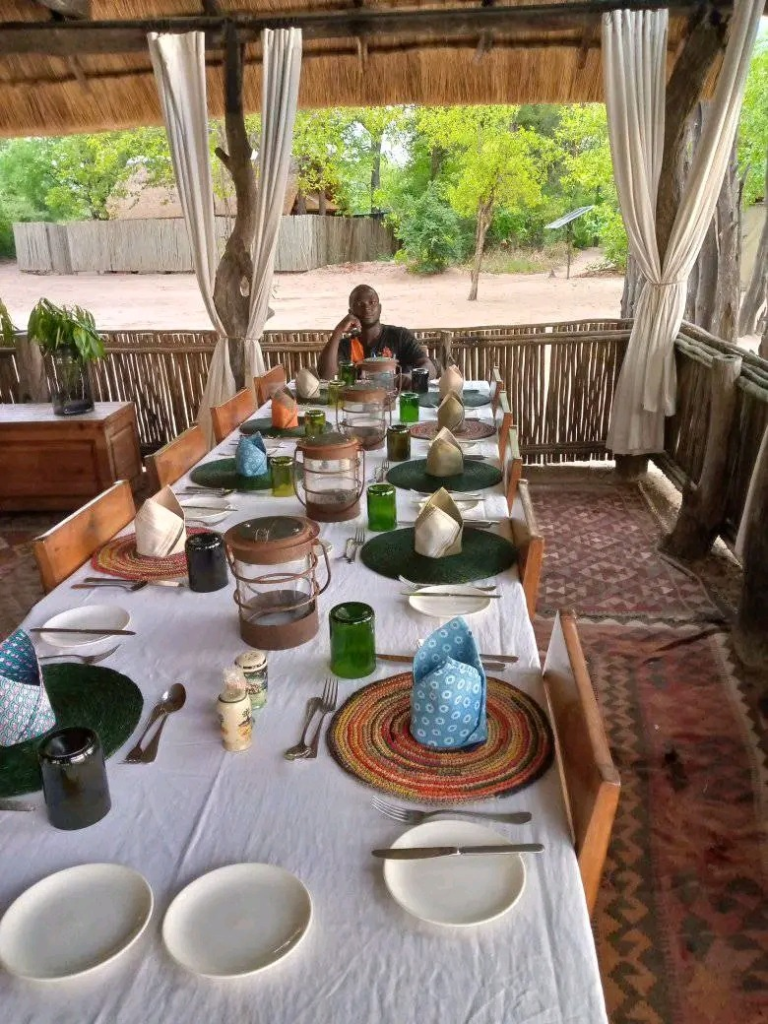
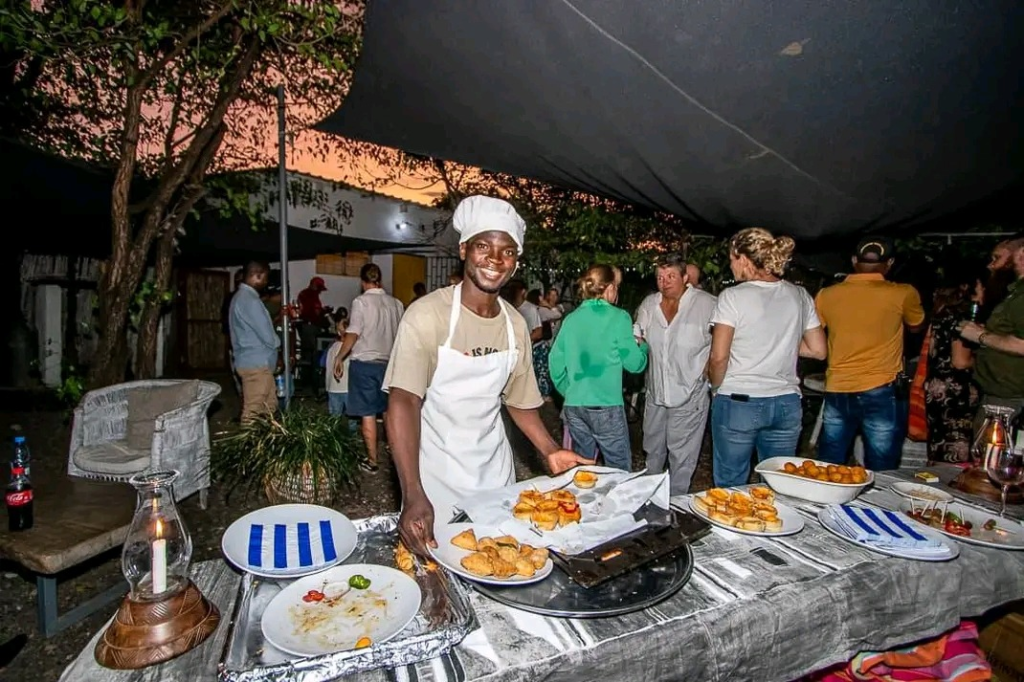
He is currently pursuing a Diploma in Tour Guiding and Administration at Kenya Utalii College. Through his studies, he has developed practical knowledge in tour guiding, customer service, tour operations, tourism management, itinerary preparation, reservations, destination management, and guest care. He has also gained hospitality experience at Mfuwe Lodge, part of The Bushcamp Company, where he worked directly with guests and learned more about the standards required to deliver a meaningful visitor experience.
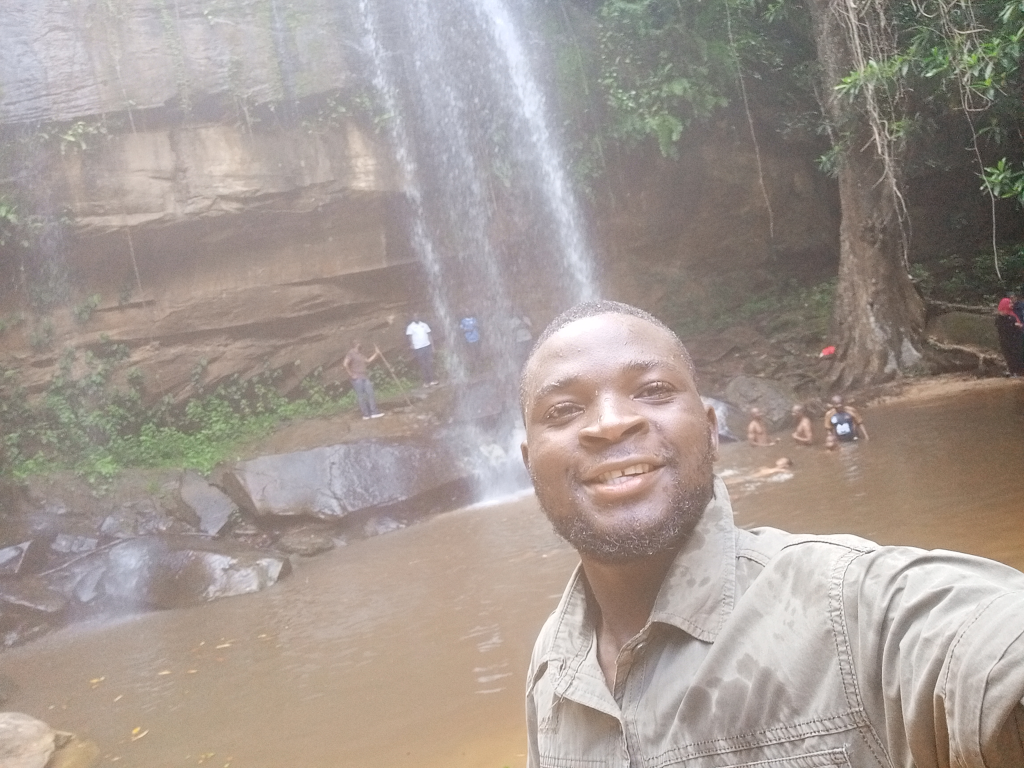
Where His Connection to Nature Began
Zulu was born and raised in Mfuwe, within the Mambwe District of Zambia’s Eastern Province. Growing up in an area where communities lived close to wildlife gave him an early appreciation for animals, vegetation, landscapes, and cultural heritage.
His interest became more purposeful when he joined a conservation club. As a student, he began teaching fellow pupils and community members about natural resources and the importance of protecting them. That experience encouraged him to study the relationships between living organisms, nonliving elements, habitats, and the human activities that can disrupt ecosystems.
Zulu gradually realized that local teaching alone would not satisfy his desire to create change. He wanted to gain the professional knowledge needed to reach international travelers and help them understand the environmental significance of the places they visit. That goal led him toward safari guiding and the study of tourism.
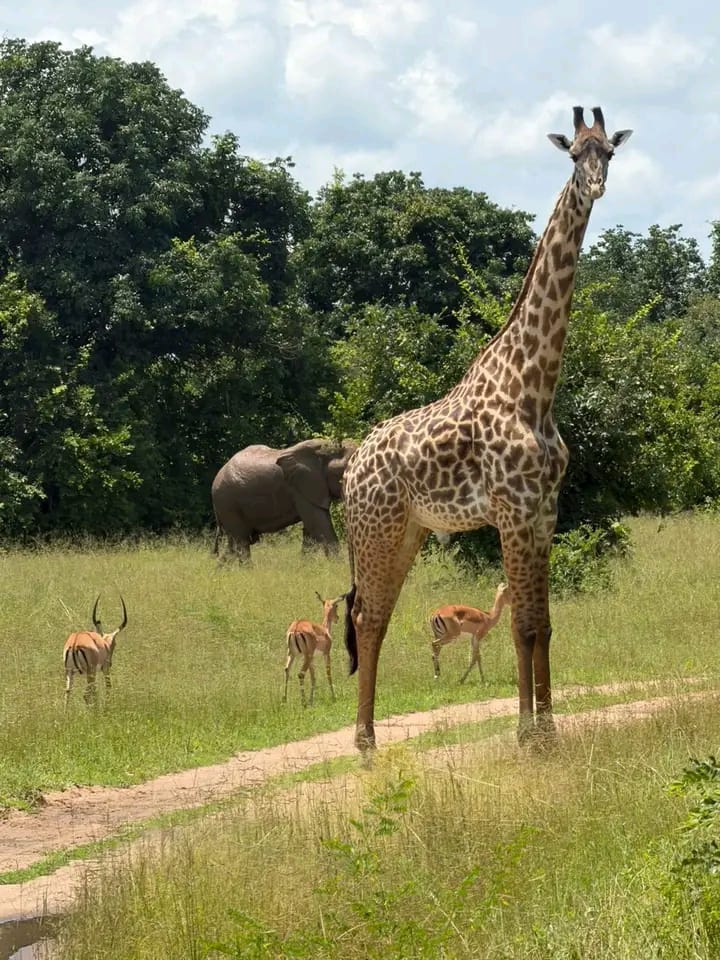
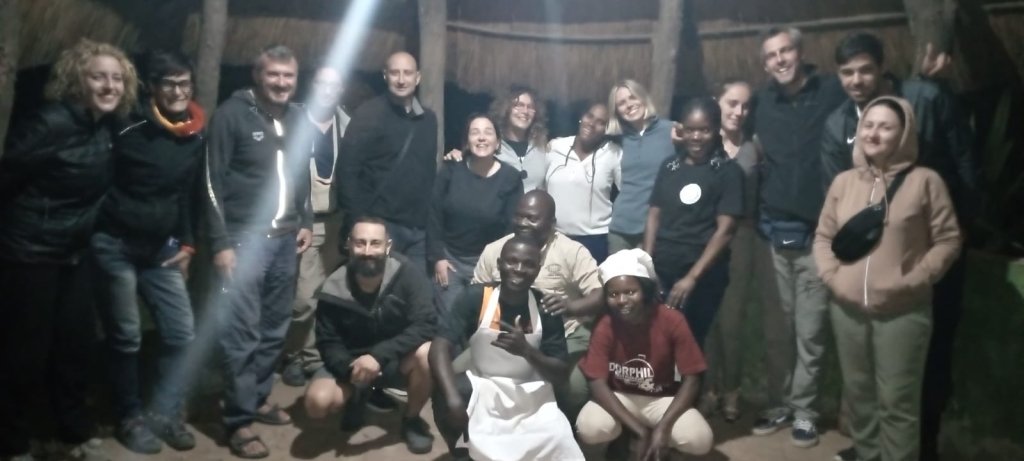
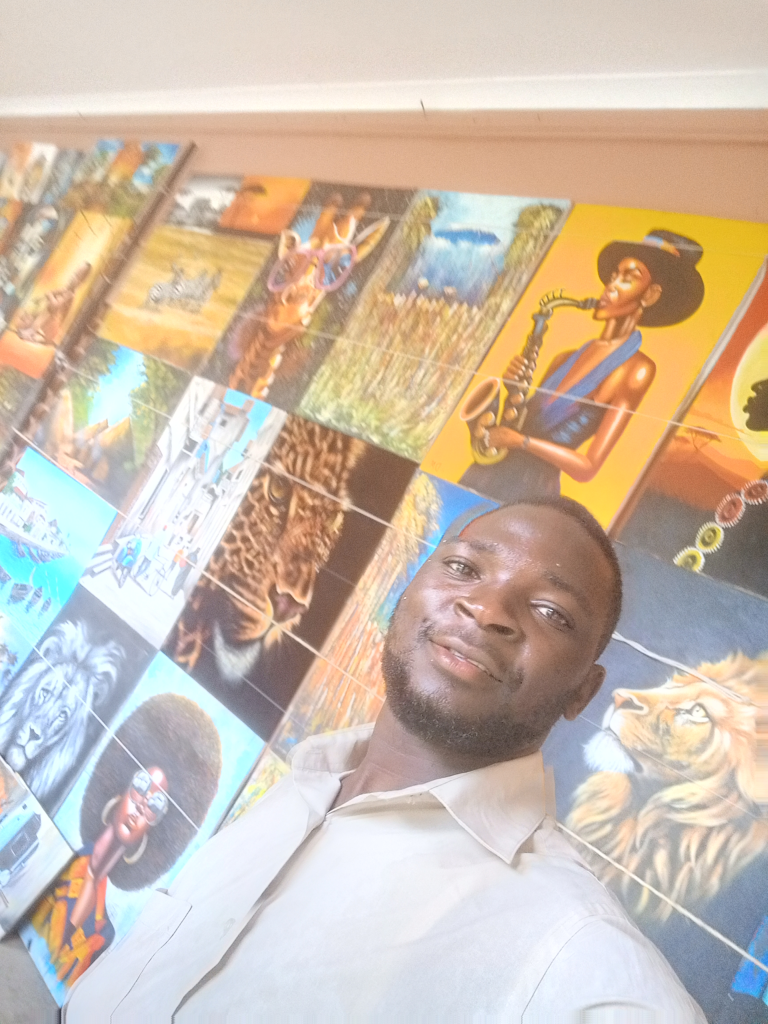
Creating Flycatcher Safari Adventure
Zulu founded Flycatcher Safari Adventure with the goal of developing a tour operation and travel agency centered on Zambia’s wildlife, landscapes, culture, sightseeing opportunities, and hospitality.
His long-term vision is to create personalized, tailor-made experiences that introduce travelers to Zambia while encouraging a deeper connection with nature. The company’s intended offerings include safari and holiday packages, game-viewing experiences, cultural heritage destinations, itinerary planning, accommodation support, reservations, destination guidance, transportation, and tourism-related social media marketing.
Zulu wants the company to become a leading safari adventure business in Zambia, recognized for authentic and sustainable experiences. He envisions a company that creates lasting memories for guests while also supporting conservation, local communities, innovation, service excellence, and responsible tourism practices.
His ambition is not limited to becoming self-employed. He hopes to serve as chief executive of Flycatcher Safari Adventure, create jobs for local residents, provide transportation services, and use the business to oppose the destruction of natural resources.
Teaching That Conservation Belongs to Everyone
One of the central challenges Zulu addresses is the belief that wildlife conservation is solely the responsibility of people employed by parks, reserves, or conservancies.
He teaches students and community members that protecting nature requires broader participation. Vegetation, wildlife, food chains, habitats, and human communities are connected. When one part of that system is damaged, the consequences can extend far beyond the original action.
Zulu explains the benefits of tourism education to students who may not realize that the industry can offer pathways into guiding, hospitality, management, customer service, transportation, conservation, and entrepreneurship. He wants young people to see tourism not only as an activity for visitors, but also as a possible gateway to education and employment.
His submission also reflects an interest in addressing poverty. He believes communities should take greater initiative in developing services and productive activities, including farming, that can improve livelihoods and reduce dependency.
The Life Matters Vision
Zulu is developing a Facebook-based mentorship and educational initiative called Life Matters. The project is intended to teach people about the dangers of disrupting organisms within a food chain and the environmental consequences that may follow when natural resources are misused.
He also hopes to use the platform to share history, encourage awareness, and discuss issues that people may be hesitant to address openly.
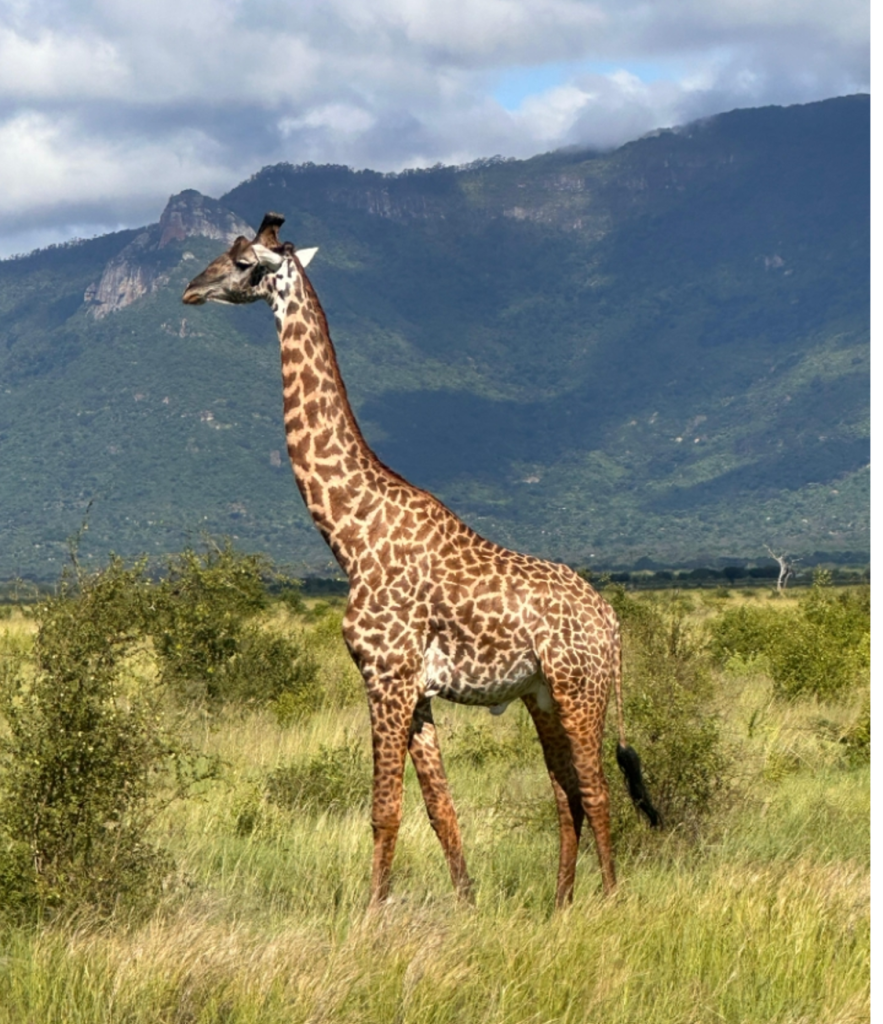
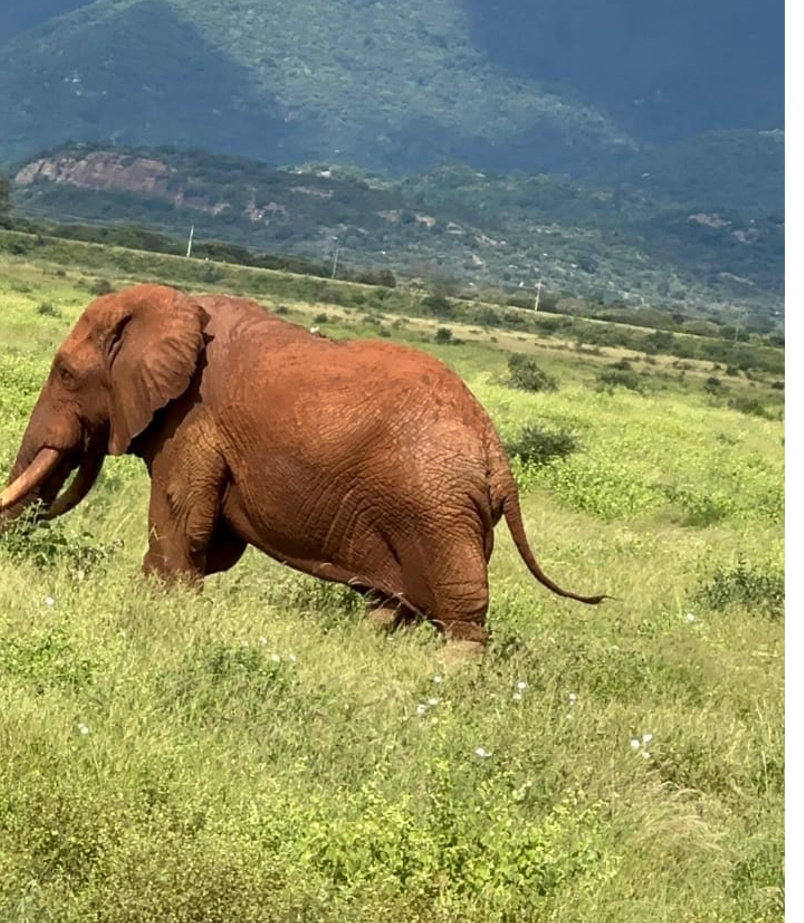
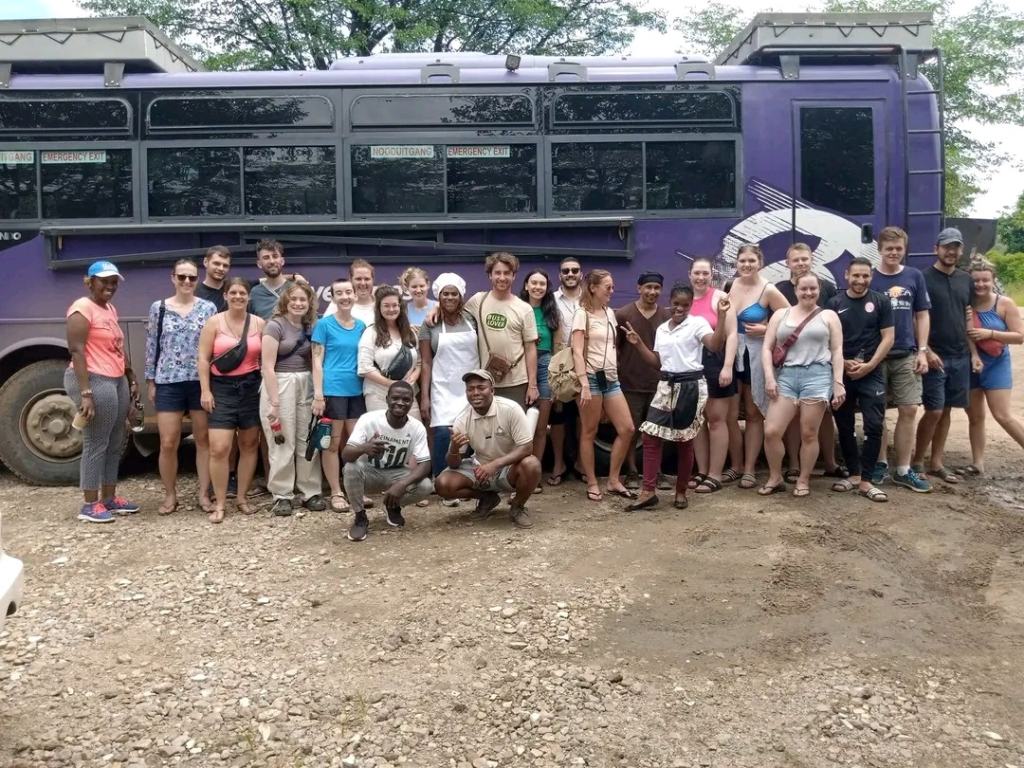
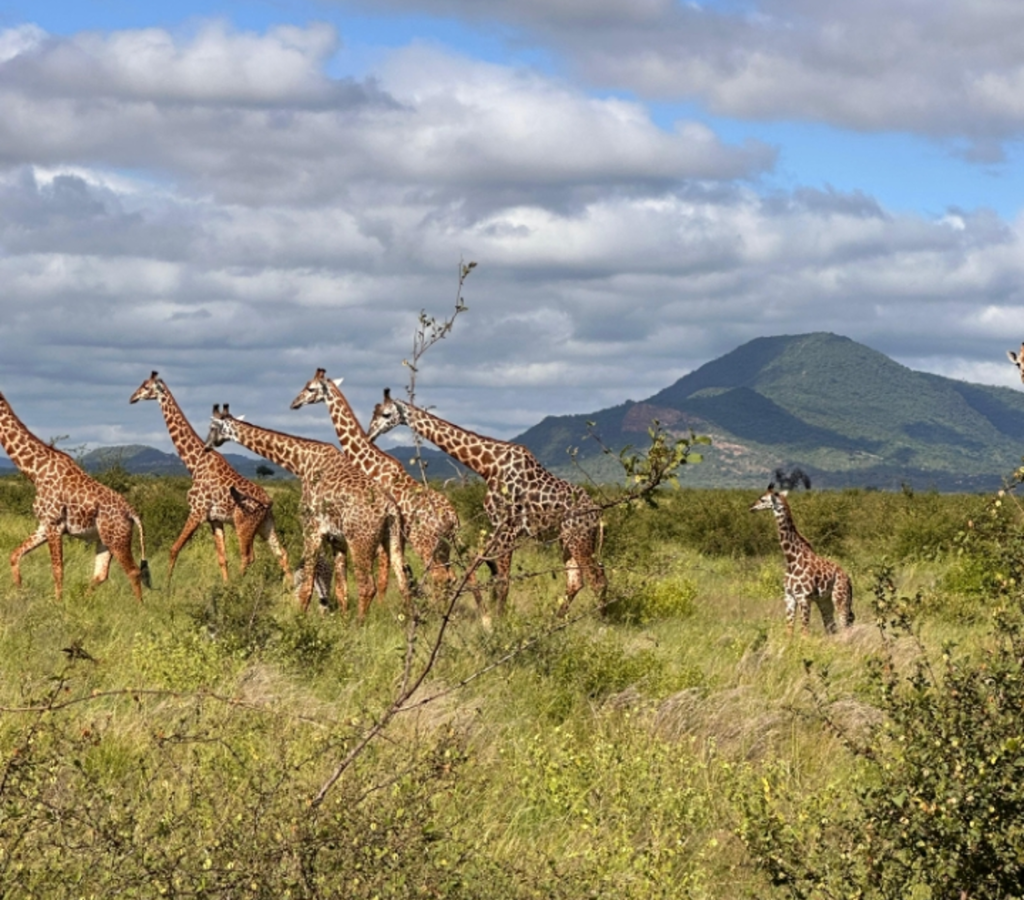
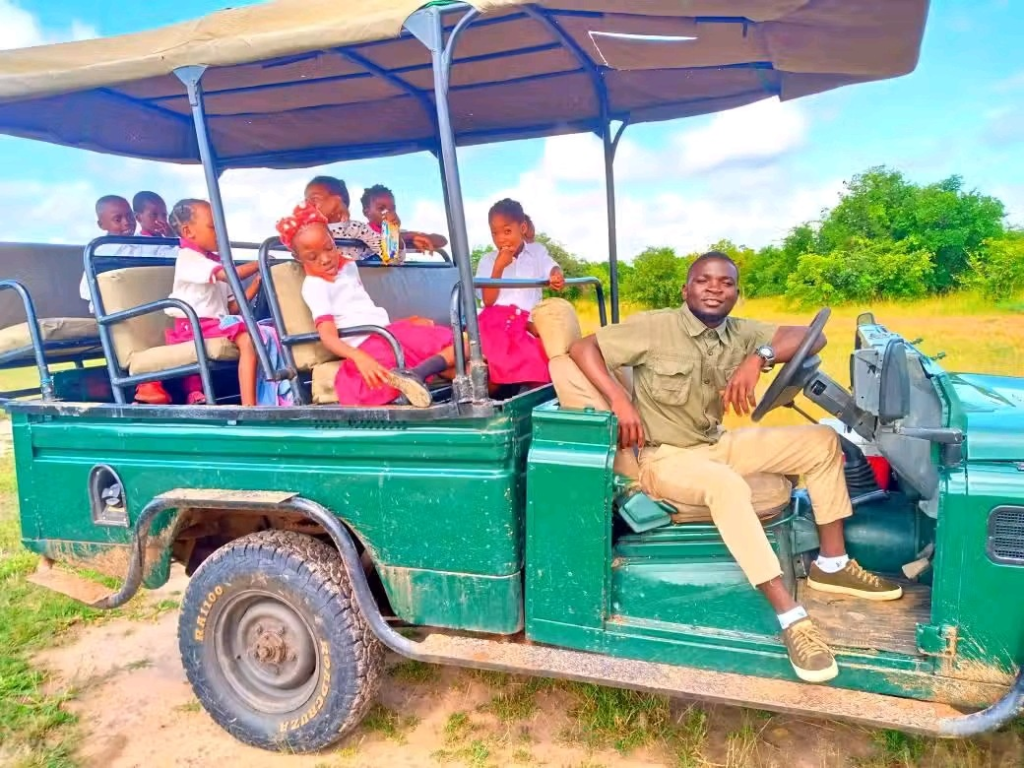
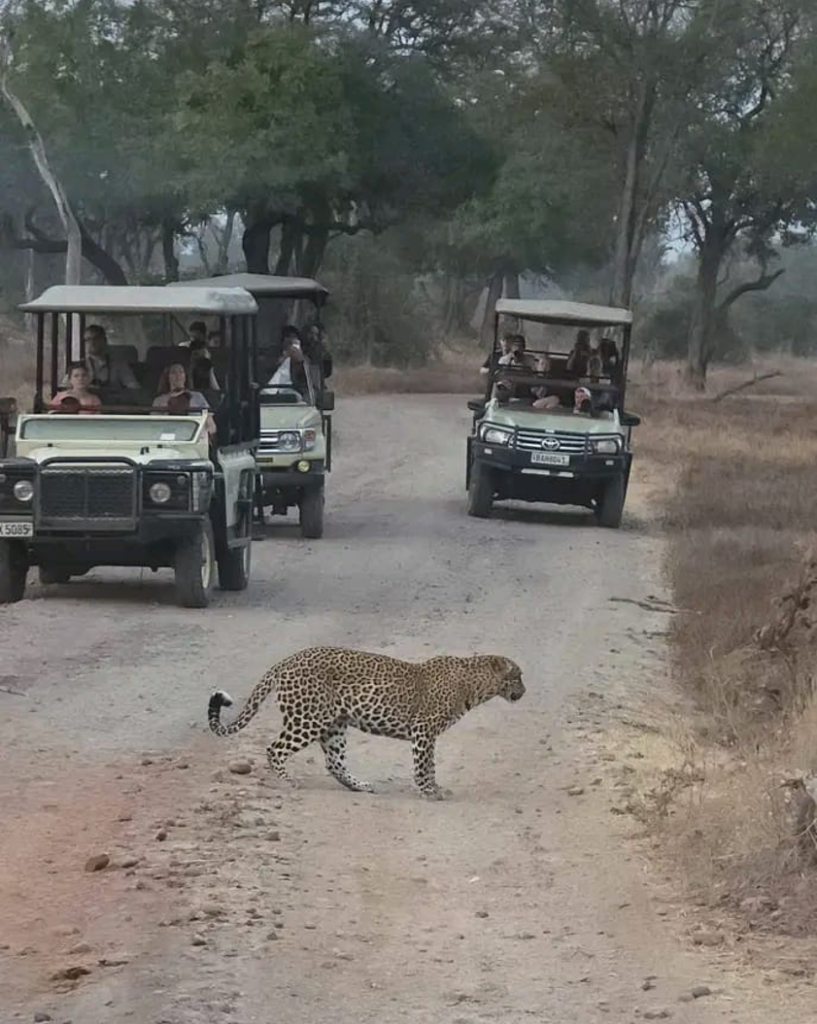
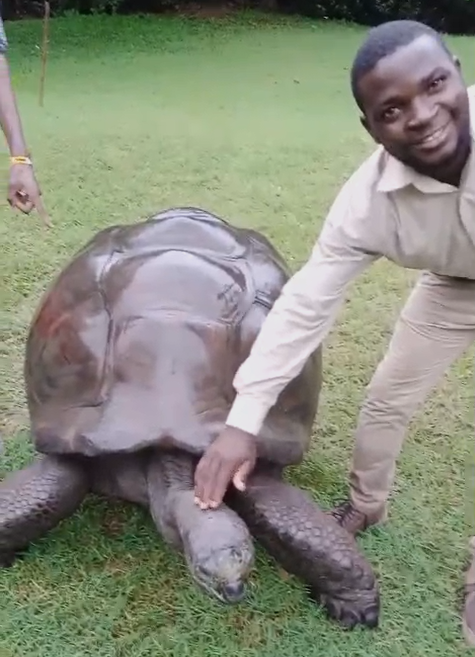
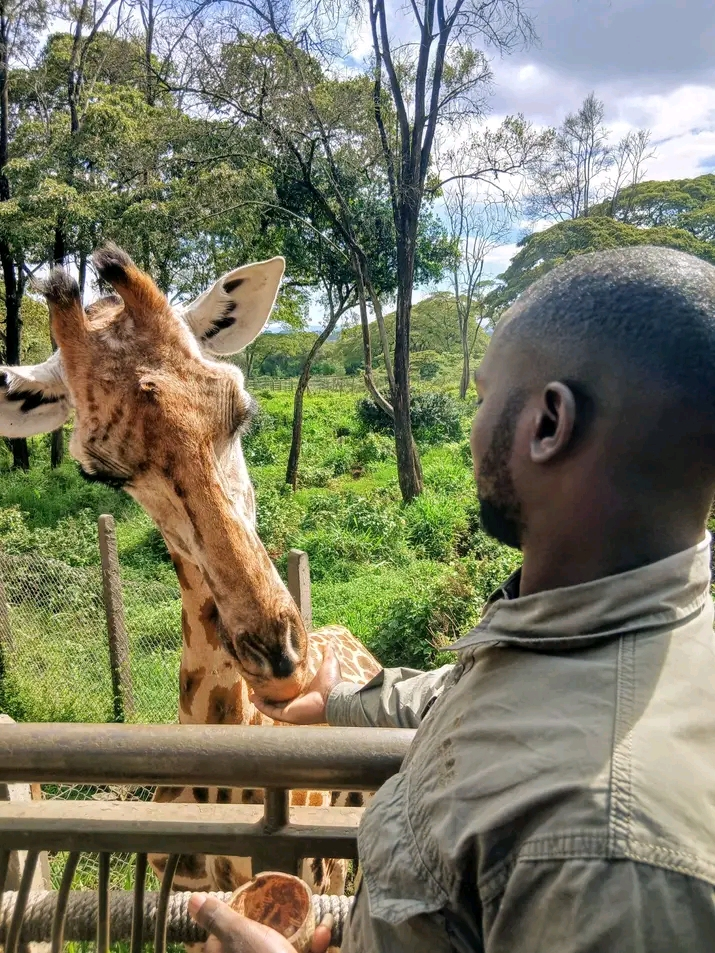
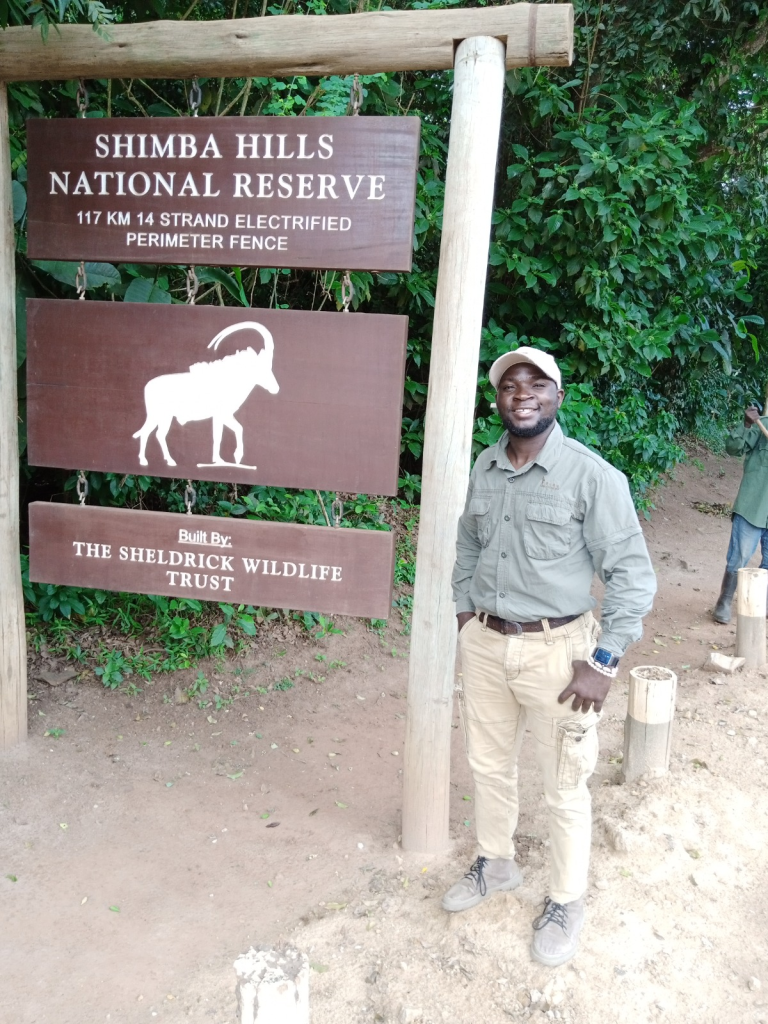
The name reflects a belief visible throughout his work: the value of life must come before short-term financial gain. One photograph submitted with his intake form shows Zulu at an ivory-burning site, where he discusses why people should reject illegal hunting and recognize that wildlife has value beyond money. Other submitted images show him identifying trees, interpreting ecosystems, guiding fellow students through natural environments, visiting cultural sites, participating in game drives, and interacting closely with animals.
Service Before Success
Zulu’s community work is already taking place even as his company remains in development.
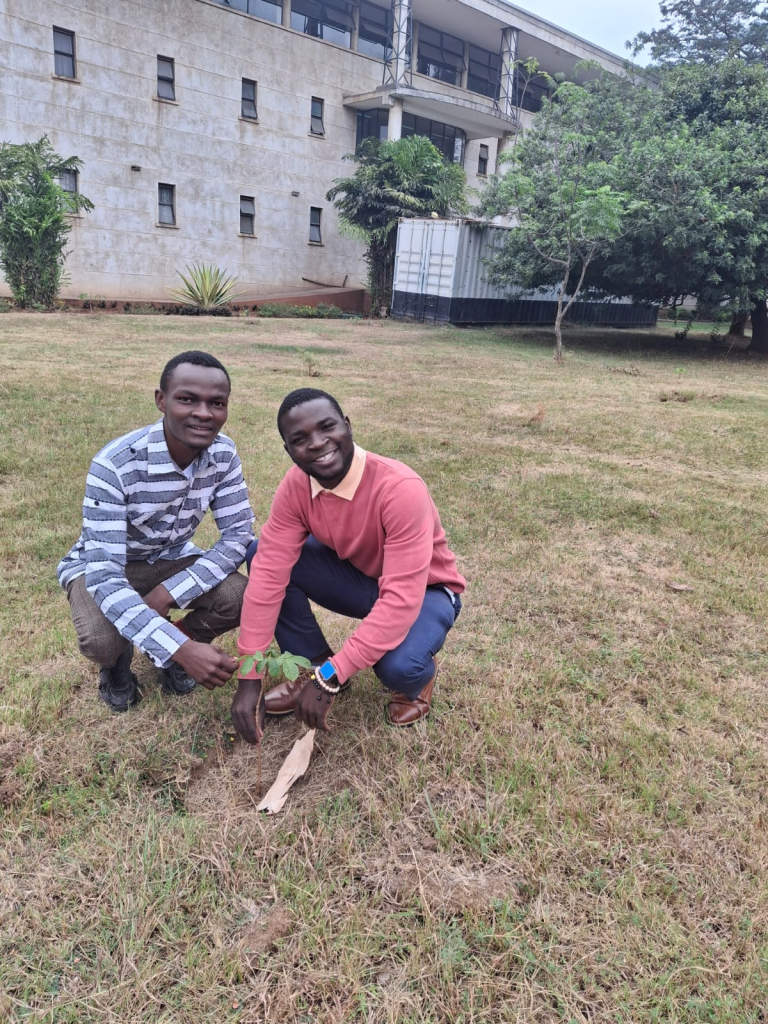
He has supported Rotary activities that distribute food and essential supplies to people with disabilities and others facing difficult circumstances. He has volunteered in an effort to build a community library at Uyoba Primary School in Mfuwe. He also contributes to anti-poaching awareness and conservation education.
Zulu regularly teaches without charging a fee and is willing to volunteer or work without immediate compensation when the experience allows him to learn, contribute, and develop professionally. He also helps students understand tourism and hospitality programs and encourages them to consider the opportunities the sector can provide.
This service-oriented approach reflects his stated values of education, honesty, hard work, respect, continuous learning, faith in Jehovah God, focus, and determination. He believes his respect for people, especially elders, has shaped the person and emerging leader he is becoming.
Building Through Financial and Personal Obstacles
Zulu’s journey has included considerable financial pressure.
His parents divorced when he was young, and he described receiving little support from his father. While attending school, he has sometimes struggled to afford basic necessities, stationery, and other educational expenses. As the first of nine children in his family to complete school and advance to university-level education, he also feels a strong responsibility to succeed for those looking to him as an example.
The same financial challenges have slowed the development of Flycatcher Safari Adventure. The company is not yet fully registered, and Zulu has limited funding for operations. He attempted to create a website independently but could not afford the domain and related costs required to complete it. Without a functioning booking platform, formal registration, and reliable financial backing, he has been unable to fully pursue potential arrangements with companies interested in referring travelers in exchange for commission.
These limitations are real, but they have not ended his ambition. Zulu continues studying, building relationships, promoting tourism facilities through social media, developing itineraries, and learning how to manage customers from different cultures and backgrounds.
A Leadership Style Grounded in Adaptability
Zulu identifies adaptability, communication, networking, and problem-solving as some of his defining strengths. He is comfortable building relationships across gender, culture, and background, and he places particular importance on treating elders with respect.
Travel has reinforced those qualities. He values visiting new places because exposure to different people and cultures broadens his thinking. Learning how communities live and communicate helps him better understand individual needs and strengthens his ability to connect with others.
Zulu also draws encouragement from the people he has worked with. Positive observations, shared wisdom, knowledge, and supportive words have helped him through moments of discouragement. His gratitude toward those relationships is an important part of his story. He specifically expressed appreciation for Mr. Roosevelt, who introduced him to the San Diego Standouts community, and said he looks forward to contributing wherever he can.
Recognition That Strengthened His Confidence
Zulu was recognized as a top student in his conservation club and later received acknowledgment through a Wildlife Carnivore Program conference in Zambia. Following that event, he received books, a shirt, and a water bottle and was invited to present a portion of the program at a future conference.
These milestones may appear modest compared with established professional awards, but within Zulu’s journey they represent something more significant. They demonstrate that his willingness to participate, learn, and speak about conservation has been noticed by others.
The scholarship to Kenya remains one of the most transformative outcomes of that persistence. It expanded his academic training, strengthened his practical skills, and moved him closer to becoming a qualified safari guide and tourism entrepreneur.
“Tourism must address its impact when it is not managed well.”
– Aaron Zulu
The Human Moment Behind the Mission
The most revealing moment in Zulu’s story remains the day he walked to the tourism conference.
He had no guarantee that he would be welcomed, heard, or rewarded. He simply knew that the knowledge and professional connections available inside the venue could help him better understand how to grow within the tourism industry.
When the opportunity came to speak, he did not remain silent. He asked questions, contributed his ideas about sustainability, and demonstrated that a student without formal access could still add value to the conversation.
That moment did more than produce a scholarship. It established a pattern that continues to define his life. Zulu studies before the company is fully funded. He teaches before he has a large audience. He volunteers while facing his own financial hardship. He promotes conservation while still developing the credentials and resources needed to reach a wider public.
A Future Built Around Opportunity and Protection
Zulu’s long-term ambition is to become a fully qualified safari guide and build Flycatcher Safari Adventure into a respected Zambian company known for responsible, immersive, and personalized travel.
He wants the business to create employment, provide transportation, support local communities, protect wildlife and vegetation, promote cultural heritage, and help visitors understand their relationship with the natural world.
He also hopes to use his growing platform to advocate for people who feel unable to speak openly about their concerns. His broader goals include expanding his professional network, gaining exposure, developing new skills, acquiring knowledge, helping people in need within his means, and addressing difficult issues that others may avoid.
His message to readers is grounded in lived experience: progress can remain possible even when present circumstances feel overwhelming. A difficult period may eventually become the story a person uses to explain what they learned and how they continued forward.

Why Their Story Matters Now
Aaron Zulu’s story matters because the future of tourism depends on leaders who understand that commercial success and environmental responsibility cannot be separated.
For San Diego, California, the Cali-Baja region, and other tourism-centered communities, his journey offers a wider lesson about the role travel can play in conservation, job creation, education, cultural understanding, and local economic development. His emerging work demonstrates that tourism can be a powerful tool when communities are included, visitors are educated, and natural resources are treated as a shared inheritance rather than an unlimited commodity.
Zulu is still building his company and completing his professional education. His recognition is not based on the suggestion that every goal has already been achieved. It reflects the persistence, service, conservation leadership, and community-centered purpose he has consistently demonstrated while working toward those goals.
This is part of the San Diego Weekly Standouts Series honoring leaders helping shape San Diego, California and the Cali-Baja region.

About the San Diego Standouts Series
The San Diego Standouts Series from San Diego Weekly highlights individuals whose leadership, innovation, entrepreneurship, and service are helping shape the future of San Diego, California, the Cali-Baja region, and communities connected to the region around the world.
Share a Story Worth Telling
Community nominations and story ideas are welcome.
Learn more or submit story ideas at:
Editorial Recognitions and Separate Sponsorship Opportunities
Profiles featured in the San Diego Standouts Series are selected by the San Diego Weekly editorial team as part of an ongoing effort to highlight individuals whose leadership, innovation, entrepreneurship, and service are helping shape San Diego, California, the Cali-Baja region, and communities connected to the region around the world.
Honorees may be identified through community nominations, editorial research, and submitted profiles. Selections may consider community impact, leadership and innovation, professional achievements, entrepreneurial or civic contributions, and work that strengthens the regional ecosystem of San Diego, California and the Cali-Baja region.
Editorial recognitions in the San Diego Standouts Series are independent editorial features. There is no fee required to be selected for an editorial recognition because honorees are being recognized for their positive work and community impact.
Sponsored Features and Advertising Opportunities
In addition to independent editorial recognitions, San Diego Weekly and San Diego Standouts offer separate sponsored storytelling and advertising opportunities for organizations and community members wishing to highlight their work through paid promotional features.
These opportunities may include business and entrepreneur profiles, brand storytelling features, event recaps and highlights, organizational announcements, and product or service spotlights.
Sponsored collaborations are always clearly labeled to distinguish them from independent editorial recognitions and maintain transparency with readers.
These partnerships help support the sustainability of independent journalism and community storytelling, allowing San Diego Weekly and San Diego Standouts to continue producing editorial features spotlighting leaders and changemakers across San Diego, California and beyond.
Organizations interested in sponsorship or advertising opportunities may visit:
